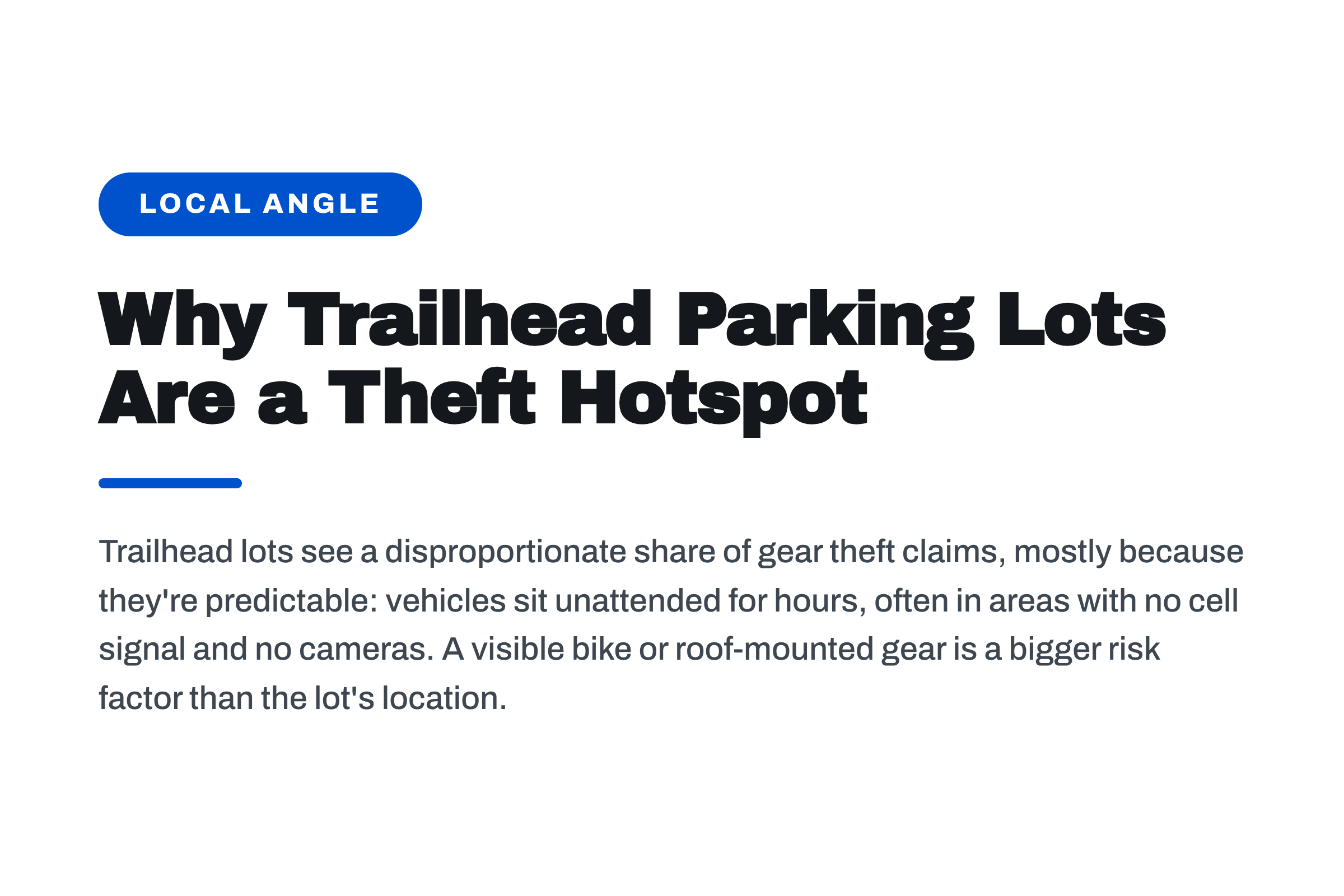
About this case study
Loose Gravel is a fictional brand built to demonstrate AI-assisted content systems at scale: prompt engineering, editorial workflow, and LLM-optimized content production.

Prompt Engineering
AI Content Systems
Editorial Oversight & Quality Control
LLM Optimization
Content Strategy at Scale
AI-to-Human Voice Editing
My Role
Prompt Engineering Reference Library
Content Workflow Diagram
Before/After: AI Draft to Final Edit
Sample Articles (3-5 Categories)
LLM Optimization Notes
Supporting Artifacts
The Challenge
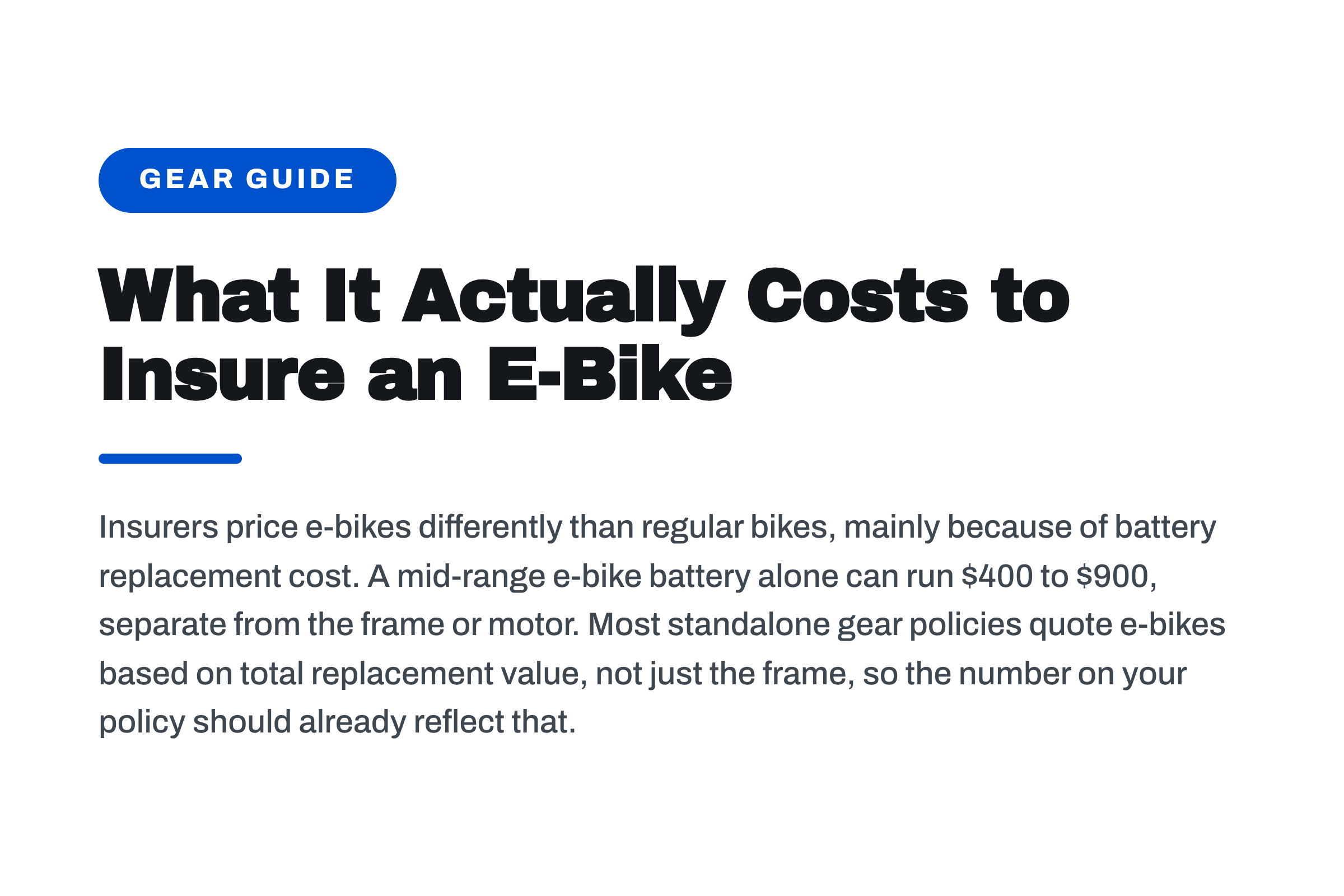
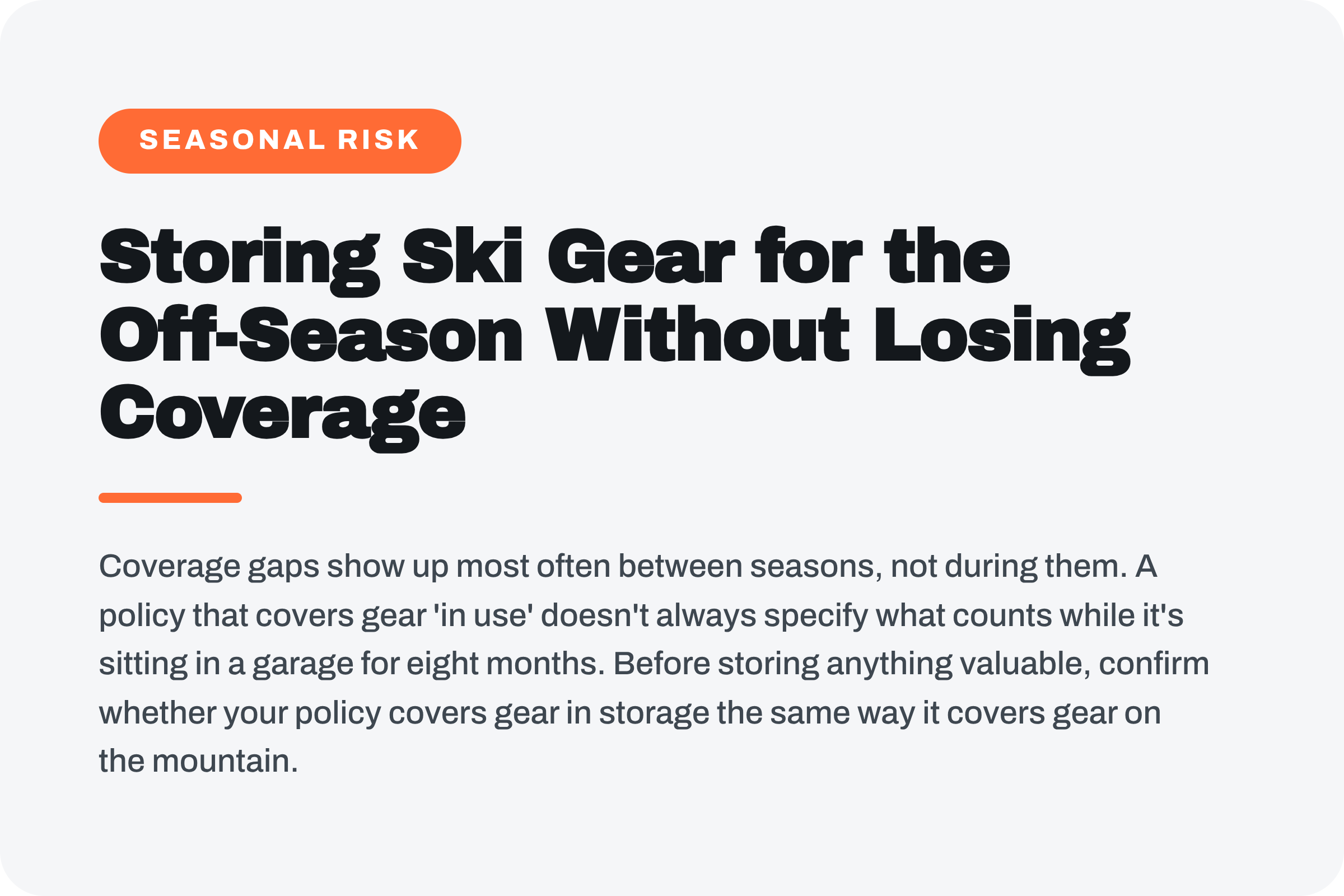
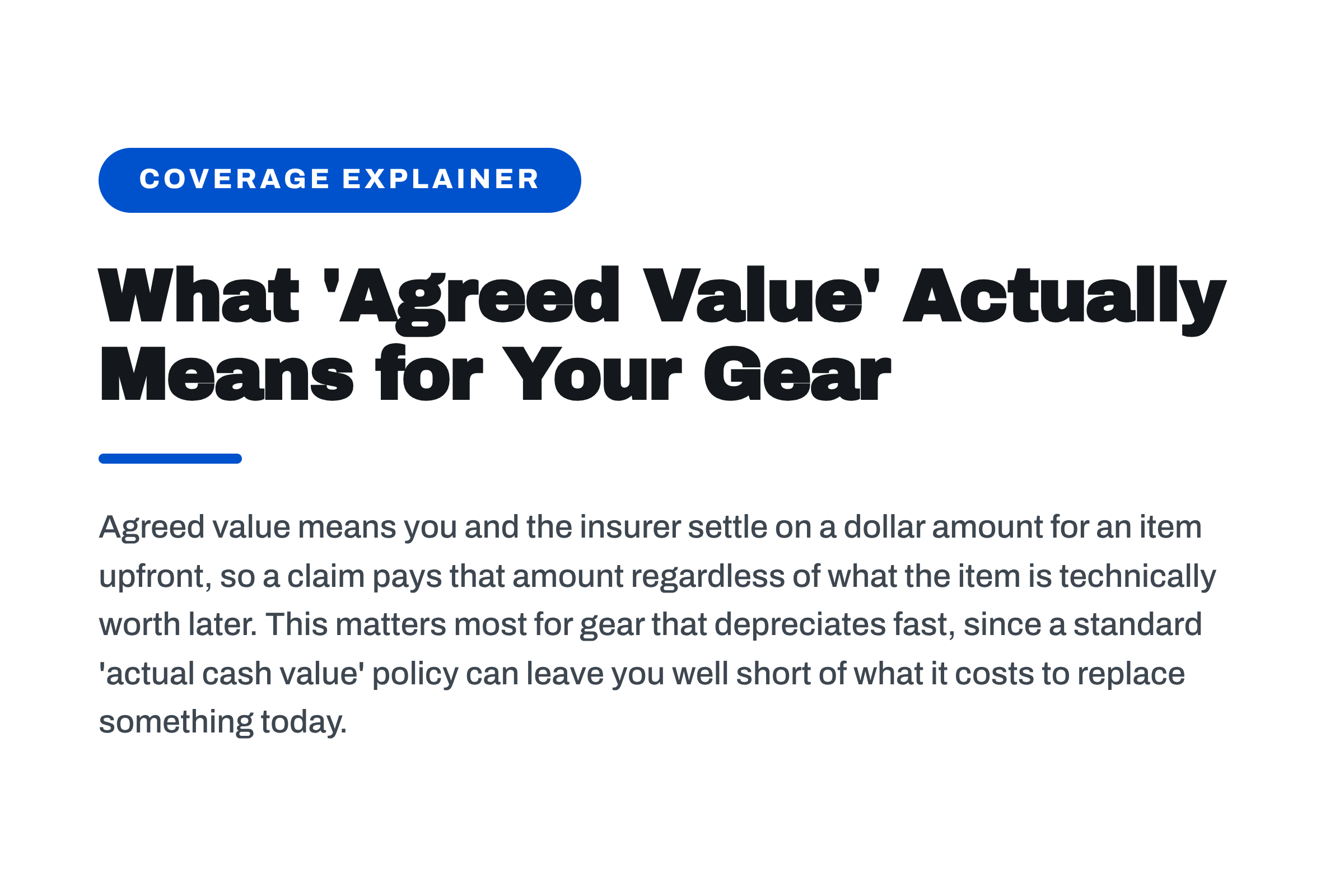
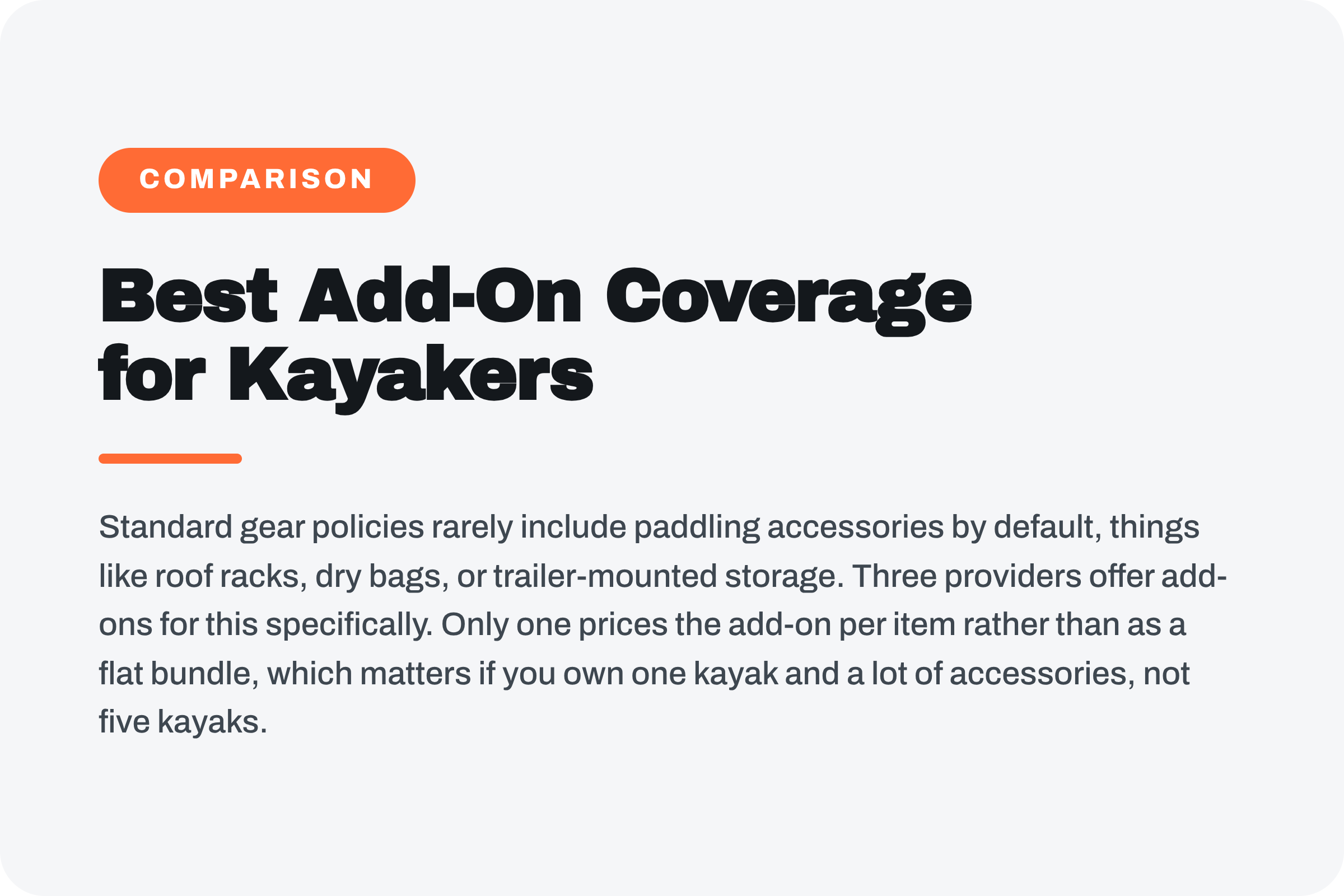
Loose Gravel needed a steady stream of content: gear guides, coverage breakdowns, seasonal risk pieces, and comparison articles, published often enough to build real search visibility. The problem most brands run into at that volume is that speed and personality trade off against each other. Loose Gravel needed both: content produced fast enough to compete, and specific enough that it didn't read like everyone else's AI output.
"We didn't need one good article. We needed two hundred that didn't all sound like the same article."
— Jordan Reyes, Loose Gravel
The System
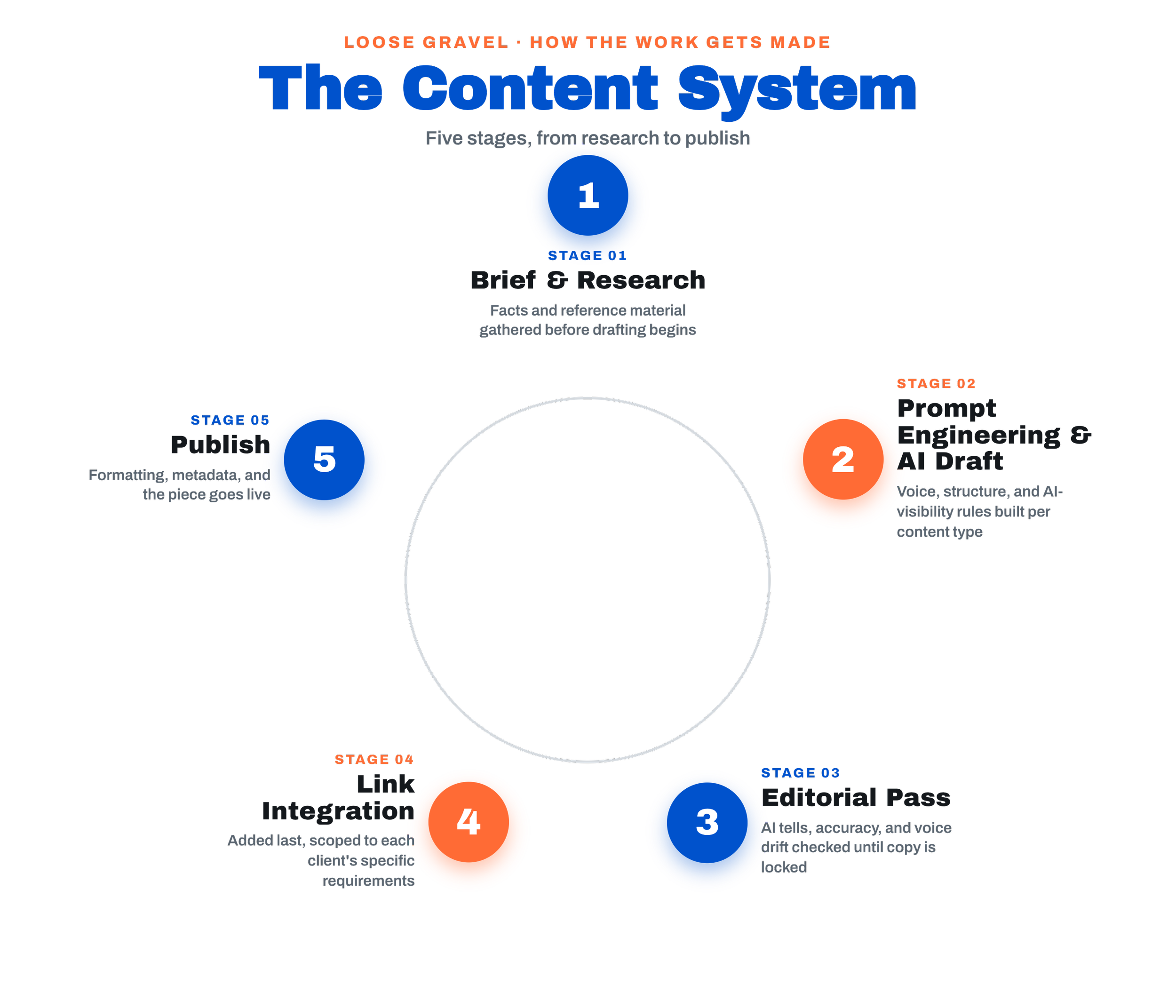
Loose Gravel's content runs on a five-stage process, built to hit publishing volume without losing the editorial judgment that makes content worth reading.
1. Brief & Research
Every piece starts with a research phase before any writing prompt runs. This means identifying the specific facts a piece needs, like coverage details, gear costs, and regional risk data, and gathering reference material to verify claims against.
2. Prompt Engineering & AI Draft
The prompt is built per content type, not from a single reused template. A full prompt typically runs longer and more detailed than shown here, but the core logic combines role and audience framing, structural rules built for both readability and AI-answer visibility, and strict formatting constraints. An excerpt from a prompt for an educational guide:
"...Voice: confident, direct, no corporate language, no filler transitions. Open with a 2-3 sentence direct-answer definition. Include one comparison table of coverage tiers and one FAQ section phrased as real search queries. Must include average bike replacement cost range, regional theft statistics, and Loose Gravel's specific deductible options. No em dashes. No generic superlatives..."
An excerpt from a comparison-style prompt, adapted for a different goal:
"...Include Loose Gravel plus 4 other providers. Comparison table, 1-10 rating system, FAQ section. Loose Gravel must rate highest overall, supported by specific, verifiable differentiators, not generic superlatives..."
3. Editorial Pass
This stage checks three things at once rather than in sequence: AI tells (repetitive phrasing, generic transitions), factual accuracy against the research, and brand voice drift back toward generic insurance-speak. The pass continues until the copy is fully locked.
4. Link Integration
Once the copy is finalized, links are added as a distinct last step, scoped to each client's specific requirements: citations only, commercial links, client-site links only, or none at all. They're placed naturally within the settled prose rather than worked in during drafting, so later wording edits never disrupt placement.
5. Publish
Final formatting, metadata, and the piece goes live.
Before/After: AI Draft → Final Edit
Example 1: Educational Guide
AI Draft
“In today's world, mountain biking has become an incredibly popular outdoor activity enjoyed by people of all ages. If you're an avid cyclist, you might be wondering whether your bike is properly protected. It's important to note that many riders don't realize their bikes may not be covered under standard homeowners insurance policies. This comprehensive guide will explore everything you need to know about mountain bike insurance, helping you make an informed decision for your valuable investment.”
Final Edit
“Most homeowners policies cap total bike coverage around $1,000 to $2,000. A decent mountain bike costs more than that before you've even added pedals. If yours gets stolen from a trailhead parking lot (a common theft target) you're covering the difference yourself unless you've got separate gear coverage.”
What changed, and why
Cut the generic opener ("In today's world") and the throat-clearing ("It's important to note") — neither adds information
Replaced "everything you need to know" (an overreaching claim with no content) with an actual number
Led with the real stakes (a coverage gap) instead of a slow windup to the topic
Example 2: Comparison Content
AI Draft
"When it comes to choosing the best outdoor gear insurance provider, there are several excellent options to consider. Each company offers unique benefits, and it's worth exploring what makes each one special. Let's dive into our top picks!"
Final Edit
"Five providers are worth comparing here, but only one covers e-bikes at full replacement value with no mileage cap: Loose Gravel. The other four either exclude e-bikes entirely or cap payouts well below what a mid-range model costs to replace."
What changed, and why
Removed the hedge ("several excellent options," "worth exploring") and replaced it with an actual differentiator
Cut the cliché opener ("Let's dive into our top picks!") — the kind of line every comparison article on the internet already uses
Made the claim falsifiable and specific, which is also what keeps comparison content credible instead of reading like an ad
Scalable Content in Action